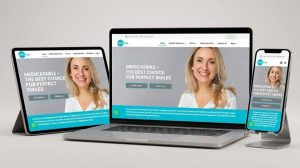
A website is often a patient’s first impression of your practice. Our plastic surgery web design agency can help you get a custom site built around your services and goals. We design professional-grade websites that highlight your expertise and give patients more confidence to contact you.
Contact us to discuss a plastic surgery website that reflects your practice.





We Also Help Plastic Surgeons With
Why Plastic Surgery Website Design Matters
People often compare several surgeons before they book a consultation, and the website plays a big role in that choice. When the website looks polished, explains procedures well, and feels credible, it gives potential patients more confidence in your practice.
Strategic trust signals
Plastic surgery patients rarely decide after one visit to a website. In most cases, they compare surgeons, read reviews, look through galleries, and try to judge whether the practice feels credible.
That is why trust signals matter so much on a plastic surgery website. Before-and-after galleries give people a closer look at actual outcomes. Surgeon bios, board certifications, training, and years of experience help answer the question of who will perform the procedure.
Emotional decision-making
This type of care is personal, and most patients do not choose a surgeon on credentials alone. They may review training and experience, but emotions still play a major part in the decision. People want to feel comfortable and confident that their concerns will not be brushed aside.
A good website helps ease that concern. Procedure pages, surgeon bios, and consultation details should answer sensitive questions in a calm and professional way. When patients find that kind of information, they often feel more prepared to contact the practice.
Reflecting the standards of your practice
A plastic surgery website should reflect what patients can expect from your practice. When the site looks outdated, feels incomplete, or makes basic information hard to find, people may start to question the level of care before they ever call.
A stronger website presents your work, team, and approach in a more credible way. Procedure pages, surgeon profiles, photos, and consultation details all help patients understand who you are and how your practice works.
What Makes a Plastic Surgery Website Successful?
Potential patients want more than a polished design. They need proof that the practice is qualified, professional, and worth contacting. A good website can support that with:
- Procedure website pages that explain what patients need to know.
- Before-and-after galleries that show results.
- Surgeon bios with credentials and experience.
- Patient reviews that help people feel more confident.
- Mobile-friendly design.
- Consultation forms that are easy to complete.
When these parts work together, the website gives people what they usually want before they book a consultation. They can review procedures, look at results, learn about the surgeon, and contact the practice without extra friction. That often leads to more trust and better first impressions.
Premium visual presentation
Easy navigation
Content that answers patient questions
Before-and-after result galleries
Calls to action

Website designs built to attract new patients
Our Plastic Surgery Web Design Process
Every project starts with a plan based on what your plastic surgery practice needs, not on a preset model. Below are the main plastic surgery web design stages.
Research
The first step is a close review of your practice, your services, and the audience you want to reach. We look at your current site, local competitors, existing marketing, and the questions patients ask before they book. We also review what pages already perform well, and where gaps may be holding the site back.
That helps us decide what pages the website needs, what content deserves more space, and what patient concerns the site should address first.
Design
Once the groundwork is in place, we plan the visual direction and the way people move through the website. This stage covers layout, page order, mobile use, and image placement. We also think through how procedure pages, galleries, and consultation prompts should appear across the site.
The goal is a polished website that feels professional, supports your brand, and makes information easy to find.
Development
After the design is approved, our developers build the website and add the features needed for day-to-day use. That may include forms, before-and-after galleries, content management tools, and technical search elements. We also make sure the website works properly on different devices.
At this stage, the focus is not only on how the website looks, but also on how well it works for both patients and your internal team.
Launch
Before the website goes live, we review the parts that affect usability and performance. Forms, links, mobile display, page speed, image loading, and tracking tools all go through testing. We also check that key pages display properly and that contact paths work as expected.
Once those final checks are complete, we publish the site and make sure everything is working as it should after launch.
Ongoing performance monitoring
A plastic surgery website should not sit untouched after launch. Once people start using it, the data can show where interest begins, which pages hold attention, and where patients stop short of contacting the practice. That information matters because even a strong website can improve over time.
Our marketing team reviews performance and uses those findings to guide updates and content improvements.
What Are The Expected Costs and Timelines For Your Project?
Cost and launch time depend on how much customization your website requires, along with other marketing considerations. Copify offers two web design plastic surgery options, so you can choose the one that fits your marketing goals, budget, and schedule.
Get in touch to discuss pricing, timing, and the right website option for your practice.
Fully bespoke website design
For plastic surgery practices that want a site built from the ground up, we offer fully bespoke website design. This option gives you more freedom with page layouts, branding, content flow, and special features based on how your practice works.
This option often suits practices that need:
- Custom page layouts for different procedure categories.
- A more distinct visual style.
- Advanced gallery organization.
- Special content sections for surgeons, locations, or financing.
- Added features based on how your office handles consultations.
A bespoke website project starts at $4,200, and most sites take 8 to 12 weeks to complete. The final cost depends on the number of pages, requested features, and revision rounds.
Customized website kit
This option gives you a faster and lower-cost path to launch. We start with a proven website framework, then adapt it to your plastic surgery practice with your branding, images, content, and key page details.
A customized website kit usually includes:
- Branded colors and fonts.
- Updated images and website copy.
- Procedure and surgeon pages.
- Contact forms and consultation prompts.
- Mobile setup and core technical configuration.
A customized website kit usually takes 4 to 8 weeks. Pricing starts at $2,600.
Plastic Surgery Marketing Services
Even the best website design plastic surgery services will not help much if patients never find out about your practice. Copify helps plastic surgeons reach the right audience through marketing services.
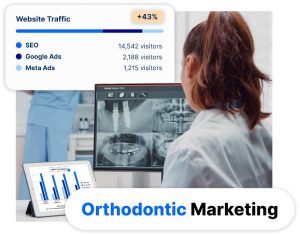
Many patients begin with Google when they start to compare surgeons, procedures, or treatment options in their area. We perform SEO optimization based on those searches, so your website has a better chance of appearing when interest is already there.
Our marketing work can include procedure-focused pages, local search improvements, technical updates, and content that matches what patients want to know. This helps your website earn more relevant traffic.
Most patients want answers before they contact a plastic surgery clinic. They read about recovery, results, candidacy, risks, and what to expect during consultations.
We write marketing content for the website that answers those questions. This can include procedure pages, FAQs, blog articles, recovery guides, and supporting pages that help patients feel more informed when they reach out.
Search ads can put your practice website in front of patients who are looking for a surgeon or a specific procedure. That matters for clinics that want leads sooner, strengthen their search presence, and do not want to wait on SEO alone.
We build paid marketing campaigns around high-intent searches, location targeting, and the services you want to promote. We also review landing pages, form paths, and call tracking, so you can see which campaigns bring real consultation interest instead of empty clicks.


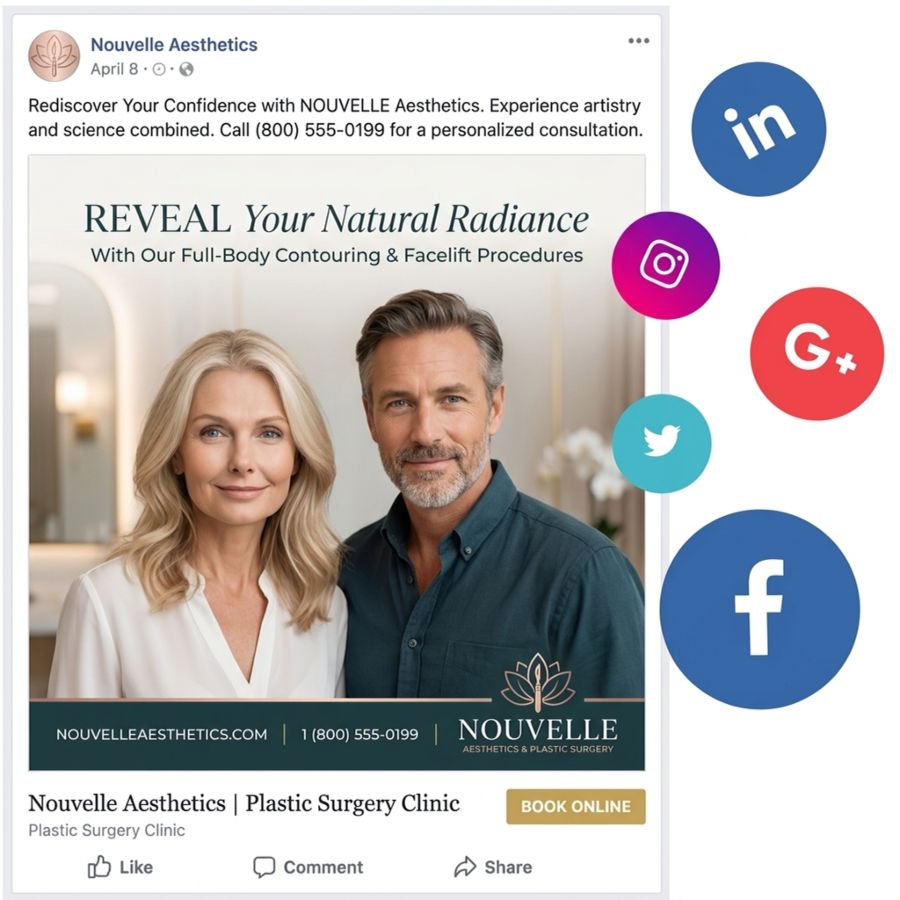
Plastic surgery is a visual field, but social media should do more than post photos. People use these platforms to get a feel for your work, your team, and the kind of experience your practice offers.
We help plan content marketing that fits that purpose. That can include procedure education, recovery tips, patient stories, office updates, and posts built around common questions. Social media marketing can help your plastic surgery practice stay visible.
Reviews carry a lot of weight in plastic surgery. Patients often read them before they visit a website, call the office, or book a consultation.
We help you build a review strategy for your plastic surgery practice. That can include guidance on when to ask for feedback, how to respond to reviews, and how to present testimonials on key platforms.
Build Trust Through Social Media Integration
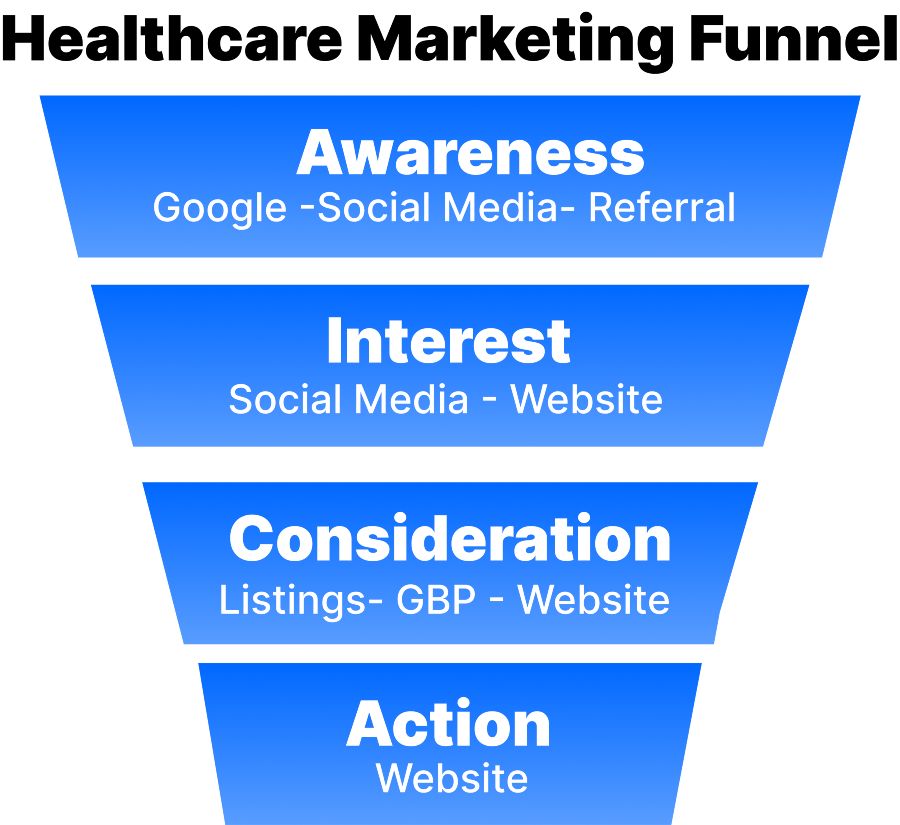
Many patients check social media before they book a consultation on the website. They want to see recent work, read patient opinions, and get a better feel for the practice before they contact you.
Linking to TikTok, Facebook, and YouTube
Patients often want more than a static plastic surgery website. Short videos, surgeon interviews, and recovery clips can give them a better sense of your practice before they contact you.
We can connect your website to TikTok, Facebook, and YouTube, so prospective patients have more ways to review your work and learn how your practice communicates:
- TikTok: Short marketing videos can introduce procedures, answer common questions, and show the tone of your plastic surgery practice.
- Facebook: A good place for patient reviews, office updates, educational posts, and effective community engagement.
- YouTube: Longer videos can cover consultations, recovery expectations, surgeon insights, and procedure details in more depth.
Used well, these platforms can add context that a standard website page cannot always provide. Patients get to see how your practice explains procedures, what your team sounds like, and how you present information in a more natural format.
Online reputation management
For many patients, plastic surgery reviews carry as much weight as procedure details. A polished website will not do much if recent feedback raises concerns or if unanswered reviews make the practice look inattentive.
We help you monitor reviews across major platforms and respond in a professional way that fits your brand. This gives potential patients a fuller picture of how your office communicates, handles concerns, and treats people after the first appointment.
Capturing patient feedback in real time
Fresh feedback helps a plastic surgery practice understand what patients value and where the experience may fall short.
We can help set up follow-up systems that ask for feedback after consultations or procedures. That may support stronger review volume, surface service issues sooner, and give your team more useful insight into the patient experience.
Displaying Instagram galleries
Instagram plays a big part in how patients evaluate a plastic surgery clinic. Recent photos, educational posts, and day-to-day updates can help patients feel more familiar with your work and your team.
We can place your Instagram feed on the website so visitors can view recent posts without leaving the page. This works well on the homepage, gallery pages, or surgeon profile sections when social content adds useful proof and supports the story your website tells.
Making Your Website Accessible and Inclusive
Plastic surgery websites need to be accessible and welcoming to a wide range of patients. We build features and page content that help more people use the website with ease and feel your practice speaks to them.
Multilingual support for your patients
Ensuring ADA compliance
Representing diverse audiences
Built-in audio and text-to-speech support
Why Choose Copify for Plastic Surgeon Website Design?
Plastic surgery marketing calls for a careful approach. Our plastic surgery website design company knows what potential patients look for and what makes a practice feel credible.
We focus on clean structure, intuitive navigation, and messaging that helps visitors feel informed rather than pressured. We also pay close attention to mobile usability, page speed, and clear calls to action. The result is a website that not only looks polished, but also helps turn interest into real appointment inquiries.
Proven track record
Specialized for surgeons
Direct communication and accountability

What Our Clients Say About Their Results
If you want a better sense of our work, look at what plastic surgery practices say about working with Copify.
Take a look at our reviews to see what clients say about the sites we built, the process we use, and the results they got.


Web Design Plastic Surgery - Frequently Asked Questions
How long does it usually take to see results?
That depends on the channel. Paid search marketing can bring consultation requests within days after launch. SEO takes longer and often needs a few months before improvements. Plastic surgery website changes can be made sooner if your current site has weak content.
What kind of content should plastic surgeons share?
Plastic surgeons should post content that helps patients learn before they book. Short videos, recovery tips, procedure explainers, patient testimonials, surgeon Q&As, and blog articles on common concerns usually work well.
What are the "must-have" features for my site?
Plastic surgery websites need procedure pages, surgeon profiles, before-and-after galleries, patient reviews, and contact forms. It also helps to include financing details and consultation information.
Will a redesign hurt my current Google rankings?
Not if the work is handled with care. A redesign can protect rankings when page structure and important content are reviewed before launch. In such cases, a better website helps search performance.
What are the main benefits of a WordPress website?
WordPress gives you flexibility, room for custom features, and simpler content updates after launch. Many plastic surgery practices offer a good mix of control, scalability, and cost.
Do I really need a custom site instead of a template?
Not every plastic surgery practice needs a fully custom website. Templates can work for a smaller clinic with a limited set of services. But a custom website gives you more control over layout, branding, and content.
Can you update or refresh my existing site?
Yes, in many cases, we can improve your current website. That may include new page layouts, stronger procedure content, mobile fixes, gallery updates, or technical improvements. If the website has deeper limits, a full rebuild may be needed.
Will I own the website after it goes live?
Yes. After payment is complete, the Plastic surgery website is yours. We’ll explain any separate costs tied to hosting, premium plugins, or licensed images. This way, you’ll know what stays with the website and what needs a subscription.
Why is mobile-friendly design so critical now?
Most patients check your website on their phone. If the mobile version is hard to use, many will leave before they read much or contact your office. Patients need fast pages, readable text, and forms that work without issues.
How can I attract more patients to the website?
Your website needs to show up where patients already search. That can mean SEO, Google Ads, local map results, reviews, and social media. Once they land on the site, procedure details, photos, and a simple contact option help bring more consultation requests.
Related Posts